


Apartment renovation in Geneva: where to start?
Renovating an apartment in Geneva is a major undertaking. Here are the key steps to carry it through serenely, from design to key handover.
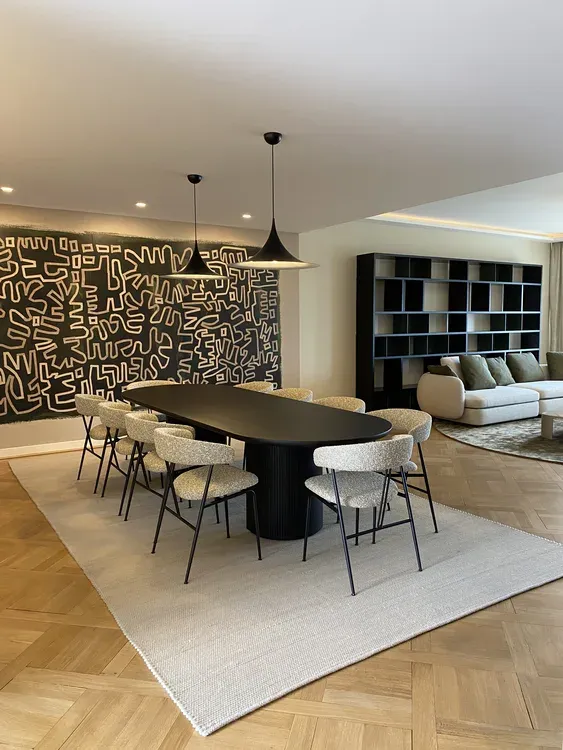
Renovation, an adventure to prepare well
I won't lie to you: renovating an apartment is an adventure. There will be moments of excitement - choosing materials, watching walls come down, discovering the space transforming. And there will be moments of stress - delays, the unexpected, decisions to be made urgently.
But at the end of the road lies the incomparable satisfaction of living in a place that reflects you, designed for your life, built according to your wishes. That's worth a few sleepless nights, isn't it?
Step 1: Define your needs and desires
Before thinking about colours or materials, ask yourself the right questions. How do you live? Do you entertain often? Do you work from home? Do you have children, pets, hobbies that require space?
A good renovation project always starts with an honest analysis of your needs. And sometimes, this analysis reveals things you hadn't noticed. That guest bedroom used twice a year - wouldn't it be better as an office? That endless corridor - couldn't it accommodate storage?
Step 2: Establish a realistic budget
Let's talk money. In Geneva, renovating an apartment is expensive. This is a reality that must be accepted from the outset to avoid unpleasant surprises.
The broad strokes
For a complete renovation - kitchen, bathroom, floors, electrics, painting - count between CHF 1,500 and 3,000/m² depending on the level of finish. An 80m² apartment therefore represents an investment of CHF 120,000 to 240,000.
These ranges are indicative. A project with exceptional materials or complex configurations may cost more. Conversely, a targeted renovation (bathroom only, for example) will be more affordable.
The safety margin
My advice: always plan 10 to 15% margin for the unexpected. Because there will be unexpected issues. A pipe to replace, period parquet more damaged than expected, a mid-project modification… It's better to be prepared.
Step 3: Permits in Geneva
In Geneva, not everything is permitted. And rightly so - we live in a dense city where apartment modifications can impact neighbours and heritage.
What requires a permit
- Demolishing partitions (even non-load-bearing, in certain cases)
- Modifying plumbing installations
- Work affecting common areas (facades, roofs)
- Changes of use
The authorities
- The Department of Territory for building permits
- The building management company for work affecting common areas
- The co-owners' assembly if you are an owner
Don't neglect these administrative steps. An unauthorised building site can be halted, and the fines are steep.
Step 4: Choosing the right team
The interior architect
They (she, in this case!) will coordinate the entire project. From design to completion, the interior architect is your guide and ally.
The craftsmen
Electricians, plumbers, joiners, painters, tilers… A renovation project mobilises many trades. The choice of these craftsmen is crucial - it's their expertise that makes the difference between correct work and excellent work.
At Maison Kawa, I work with a network of craftsmen I've known for years. I know their reliability, their rigour, their ability to manage the unexpected. This is a precious asset.
Step 5: The works schedule
A well-organised site is a serene site. Here is the logical order of interventions:
1. Demolition and structural work (2-3 weeks): Partition removal, opening modifications
2. Electrics and plumbing (2-3 weeks): Cable routing, water supply relocation
3. Joinery (1-2 weeks): Door installation, bespoke wardrobes
4. Floors and tiling (2-3 weeks): Screed, parquet or tile installation
5. Painting (2-3 weeks): Wall preparation, painting, finishing
6. Kitchen and bathroom installation (1-2 weeks): Furniture installation, connections
7. Finishing touches (1-2 weeks): Skirting boards, switches, final details
In total, allow 3 to 5 months for a complete renovation. Timelines may extend in case of special orders or unexpected issues.
Step 6: Living elsewhere during the works?
This is a question I'm often asked. My answer: if you can, yes. A building site is noisy, dusty, stressful. Living on-site complicates the work and extends timelines.
If this isn't possible, we can organise the site in phases to limit disruption. But it's more complex and takes longer.
The specificities of Geneva buildings
Period buildings
Geneva has many 19th and early 20th century buildings. These structures have charm - high ceilings, mouldings, period parquet floors - but also their constraints.
Walls are often irregular, electrical installations outdated, insulation non-existent. A renovation in an older building demands experience and adaptability.
Recent constructions
Easier to renovate technically, recent buildings offer less character. The challenge is often to give them a soul, to personalise them beyond standard finishes.
Ready to embark on renovating your Geneva apartment? Contact me for a first discussion. Together, we'll lay the foundations of a project that reflects you.
Written by Alix Muller Luthi, founder of Maison Kawa, interior architect in Geneva.
Related articles
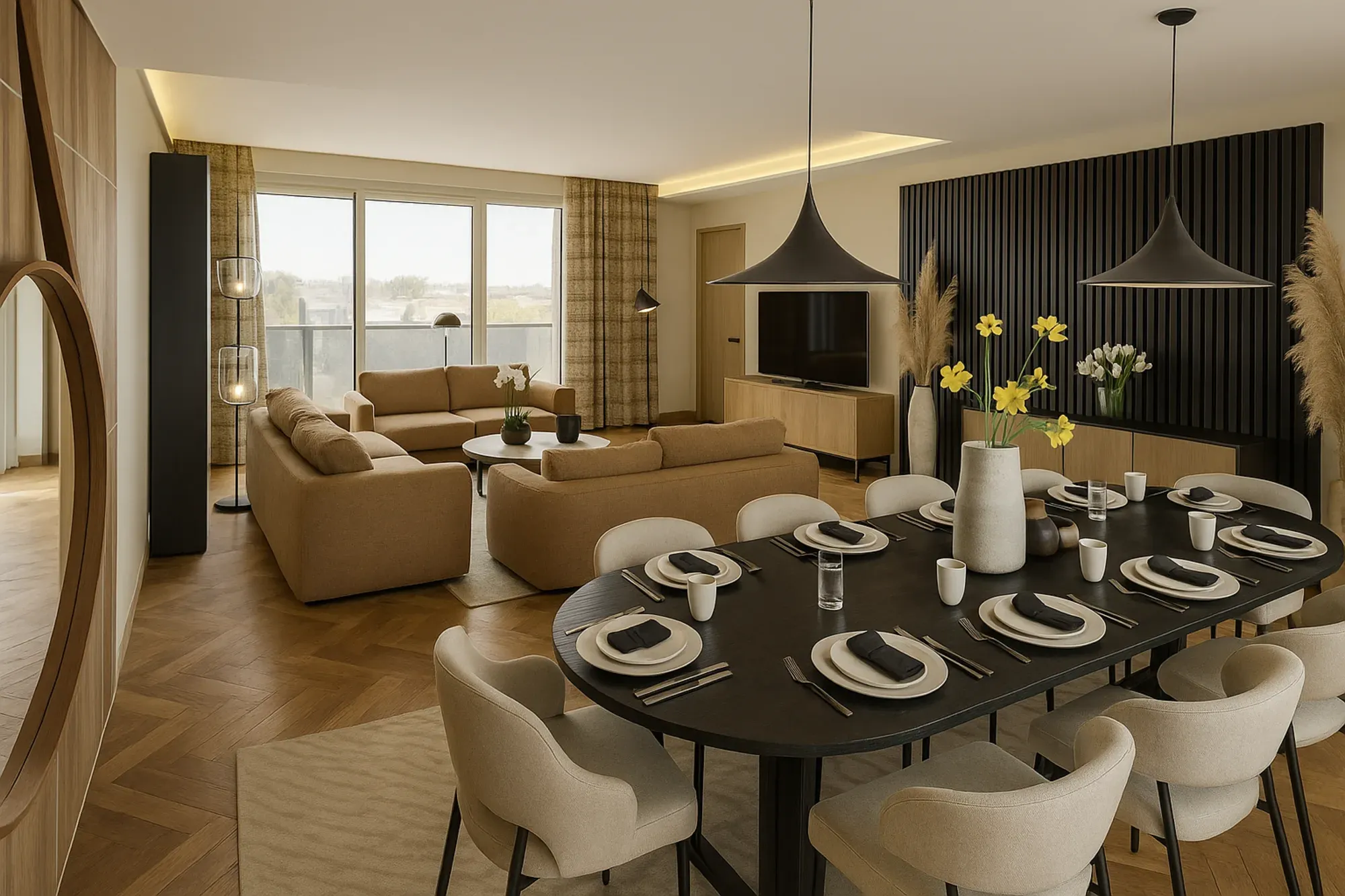
Interior Architecture in Geneva: Complete Guide 2026
Thinking of transforming your interior in Geneva? Here's everything you need to know to bring your project to life in 2026.
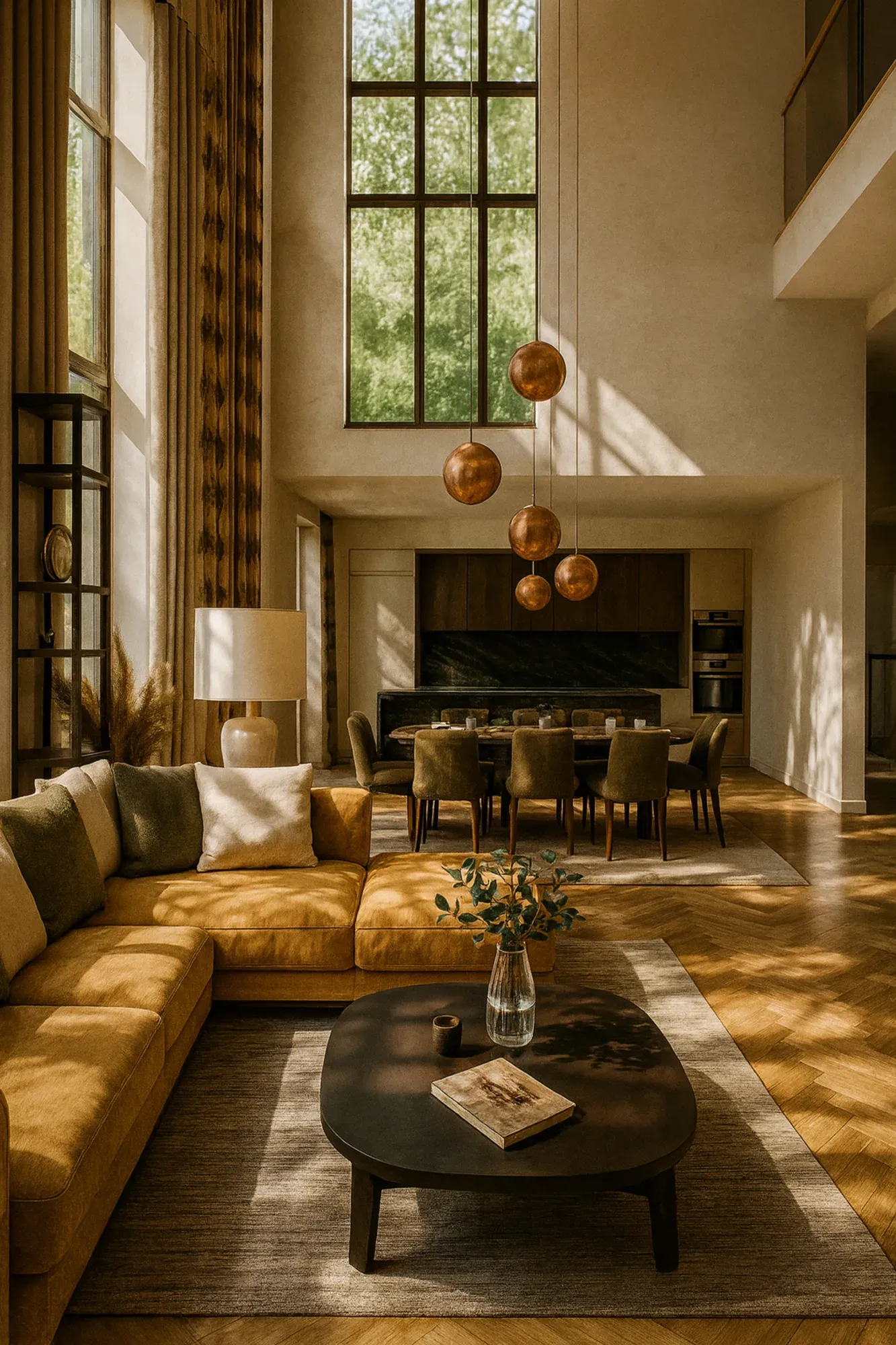
How to play with space and light: architect's secrets
Light is the interior architect's first material. Here's how I capture it, diffuse it, and magnify it to transform your spaces.
Have an interior architecture project? Let's talk.
Book a consultation